2014-09-05

*** Sidewalk Weekend! ***


Sidewalk Rating: OK, I guess


A friend of mine who is a painter was in a bunker when the bombs hit his town of Hamburg. Almost everyone perished. And he was there 48 hours in this basement, flooded, and his aunt held him above water level for 48 hours, until they were rescued. The water was almost up to the chin of his aunt, and she held him above water level. So yes, when it comes to that, that is traumatic. And no wonder he became an artist!

[here]


[A DIY-seeming bike ramp thingie by the Minnesota state capitol.]


*** CLICK ON IMAGES FOR LINKS ***

http://www.minnpost.com/greater-minnesota/2014/09/50-years-ago-wild-lands-northern-minnesota-became-bwca-wilderness


*** ***


https://twitter.com/oceansresearch/status/506986909499813888


*** ***

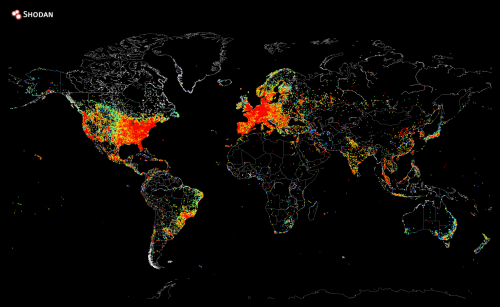
http://emergentfutures.tumblr.com/post/96180623472/futurescope-map-of-all-devices-connected-via


*** ***

http://flavorwire.com/473957/50-fantastical-film-interiors/view-all


*** ***

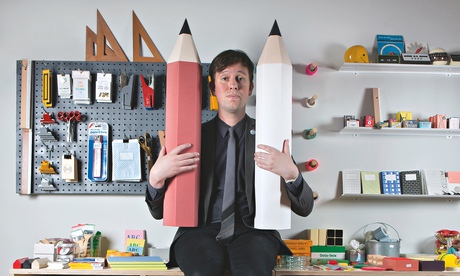
http://www.theguardian.com/lifeandstyle/2014/aug/30/stationery-fiends-hand-dryer-enthusiasts-who-calling-boring


*** ***


*** ***

https://twitter.com/alongerlook/status/507281453852274688


*** ***

http://mntransportationresearch.org/2014/09/03/making-sense-of-colored-concrete/

*** ***

http://www.nytimes.com/2014/09/02/us/seeing-discolored-lawns-california-businesses-apply-dab-of-green.html?ref=us&_r=1


*** ***


https://www.facebook.com/photo.php?fbid=10203079049760733&set=a.1062439844818.2012668.1340611268&type=1&theater


*** ***

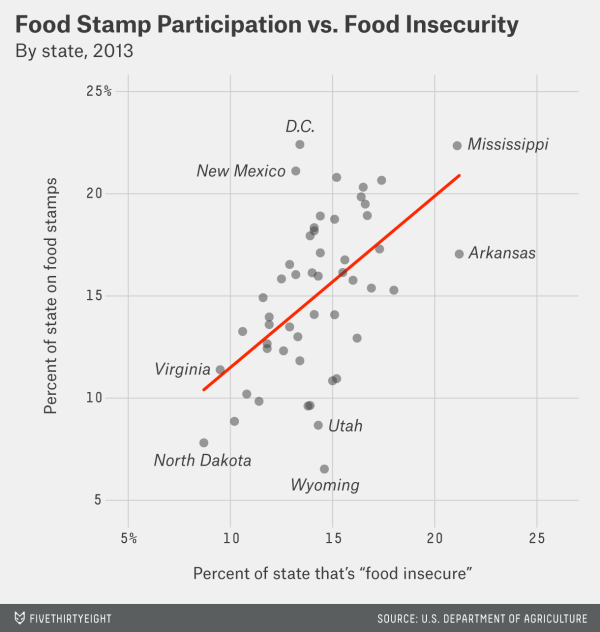
https://twitter.com/FiveThirtyEight/status/507238959353954304

*** ***


*** ***

https://www.facebook.com/boingboing/photos/a.10151640159521179.1073741825.27479046178/10152326345746179/?type=1&theater


*** ***

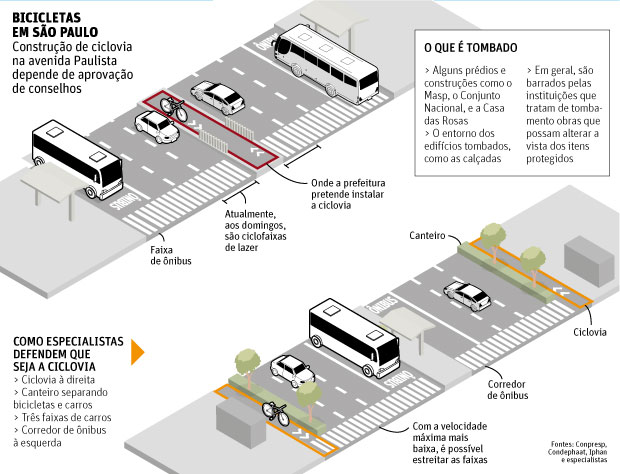
http://www1.folha.uol.com.br/cotidiano/2014/09/1510047-criacao-de-ciclovia-na-av-paulista-exige-aval-do-patrimonio-historico.shtml


*** ***


*** ***

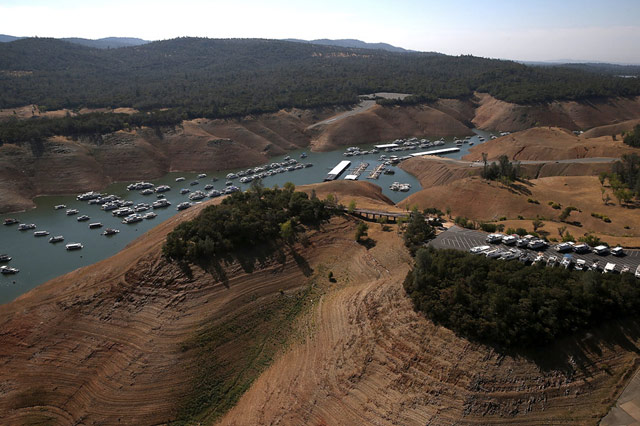
http://kottke.org/14/09/california-drought-photos


*** ***

https://www.bvoe.at/news/bibliothek_am_floss


*** ***

http://www.brainpickings.org/index.php/2014/09/03/how-to-be-alone-school-of-life/


*** ***

http://mobile.nytimes.com/2014/09/02/world/europe/reckoning-starts-in-britain-on-abuse-of-girls.html?referrer&_r=3


*** ***

http://www.retronaut.com/2014/08/typing-in-the-shower/


*** ***


*** ***

http://www.huffingtonpost.com/f-kaid-benfield/americans-dont-walk-much_b_5742064.html


*** ***

http://www.strongtowns.org/journal/2014/9/5/stroading-in-utah.html#.VAnnEWRdUxc


*** ***

http://communitybuilders.net/vehicular-travel/

*** ***

https://twitter.com/BrentToderian/status/505738566706937856


*** ***

https://twitter.com/johnffarrell/status/507219161261809664


*** ***

http://thefunambulist.net/2014/09/01/weaponized-architecture-disease-as-spatial-segregation-quadrillage-quarantine-vs-siege-quarantine/


*** ***

http://www.thisiscolossal.com/2014/08/tiny-embroidered-animals-by-chloe-giordano/


*** ***

http://vanishingnewyork.blogspot.com/2014/09/shakespeare-co.html
*** ***

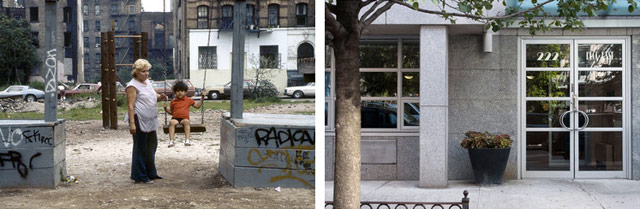
http://kottke.org/14/09/east-village-now-and-then
*** ***

http://curbed.com/archives/2014/08/29/americas-first-shopping-mall-is-now-stuffed-with-micro-homes.php


*** ***

http://www.minnpost.com/stroll/2014/09/accessing-historic-images-those-john-vachon-much-easier-now-thanks-yale-photogrammar
*** ***

https://twitter.com/jonathan_ahn/status/505867824632328192


*** ***

https://www.facebook.com/photo.php?fbid=10203779020188752&set=a.10201054736763369.1073741830.1616509434&type=1&theater


*** ***


*** ***


*** ***


*** ***

http://gothamist.com/2014/09/03/nypd_sidewalk_arrest.php


*** ***

https://twitter.com/PhyllisKahn/status/507297044483289088


*** ***


*** ***


*** ***


*** ***


*** ***

http://www.retronaut.com/2014/08/house-for-the-atomic-age/


*** ***


*** ***

http://curbed.com/archives/2014/09/02/this-future-citys-depicts-a-china-thats-monopolized-the-moon.php


*** ***

https://medium.com/matter/the-33-things-to-do-before-climate-change-ruins-everything-3428851c909c


*** ***

http://www.sciencedaily.com/releases/2014/08/140828110638.htm


*** ***

https://scripps.ucsd.edu/news/mystery-solved-sailing-stones-death-valley-seen-action-first-time?utm_source=Voice+of+San+Diego+eNewsletter+List&utm_campaign=70bbf9662c-RSS_VOSD_Radio&utm_medium=email&utm_term=0_c2357fd0a3-70bbf9662c-81869709


*** ***

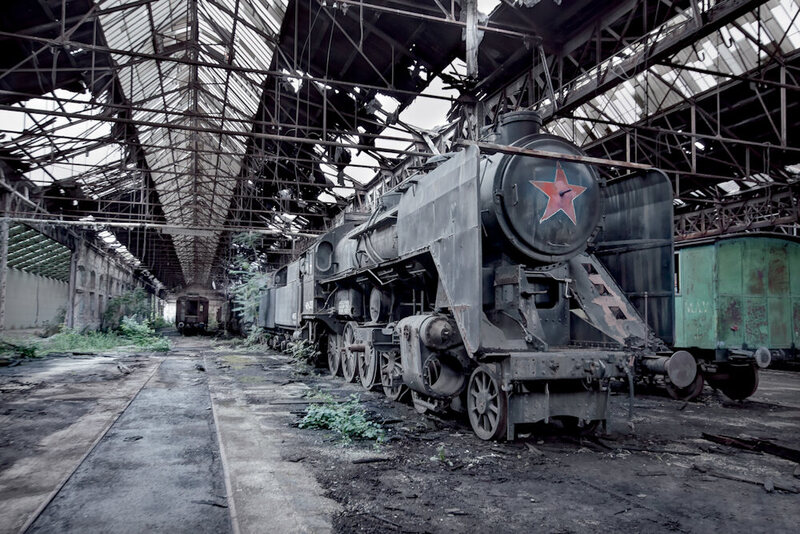
http://www.atlasobscura.com/articles/soviet-ghosts-photographs-from-a-shredded-iron-curtain

*** ***

http://curbed.com/archives/2014/08/29/bosnias-derelict-architecture-is-the-eeriest-of-all-olympic-ruins.php


*** ***

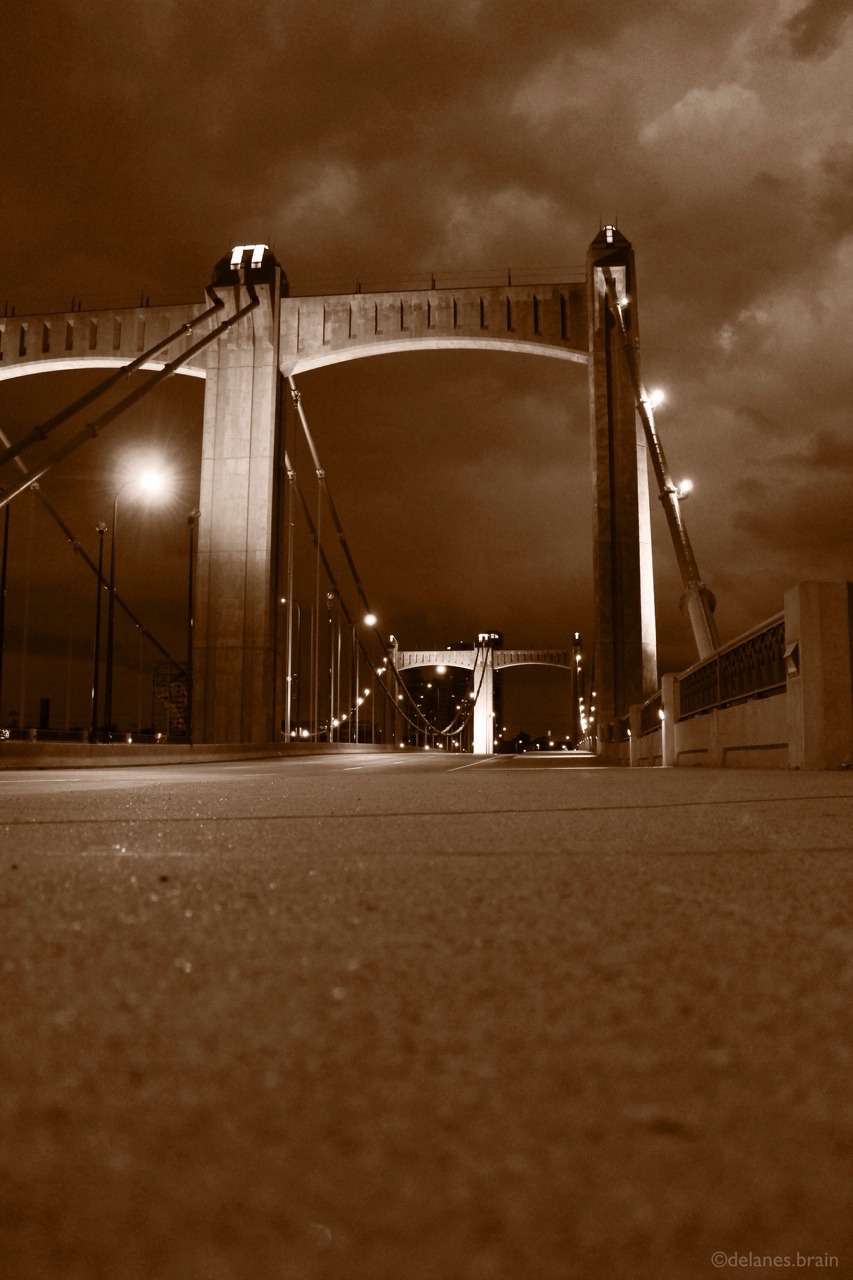
http://stuffaboutminneapolis.tumblr.com/post/96667658969/delanesbrain-the-hennepin-bridge-and-looking


2014-09-04

Stuck with the Skyways

[Saint Paul's skyway has it worse than Minneapolis, b/c it lacks DT density.]
It’s no secret that the skyway system is one of my favorite topics. I love to think bout them because of they reveal the unintentional nature of our urban fabric, how ideas grow into buildings, and co-evolve with our social ways of life. As Churchill once said, “first we shape our buildings, and then they shape us.”

But the skyway system also throws a spotlight on how our cities always remain capital, private property in search of a profit. There is a common misconception about the skyway system where people seem to think that they’re neutral and altruistic, designed simply to keep people warm in the winter and dry in the rain.

Actually, skyways are all about increasing property values and maintaining control over private and public spaces. I wrote about this in a very wonky article for this blog way a few years ago, calling climate “a proxy for capital.” What that means is that the winter becomes a kind of facade for profit and property. The money quote (pardon the pun) is here, taken from a Geography dissertation all about the skyway system:
As one Minneapolis business owner put it, “if the public thinks they need protection from the weather let them. We’ll give them what they want as long as they keep spending money” (quoted in Byers 1998 160). 
In my earlier piece I compared the skyway to the Haussmannization of Paris in the 1870s, where the city became a space of contest and control aimed at creating spaces for the bourgeoning bourgeois. In other words, the city operated as a ground for class warfare.

[Calling for the end to skyways c. 1980.]

Semi-Public Space and Race

[Policing the street is far worse in downtown L.A.]
In working on today’s Minnpost piece, it started to become clear to me that kind of contestation is still going on. There’s long been a battle over downtown between property owners and the poor, bus riders and suburban commuters. Block E, the skyways, Gateway Park, the BID people, the Occupy movement, and many less visible things like ordinances and codes are all part of this struggle.

It is difficult truth to think through, forcing Minnesotans to confront race and class gap within the very spaces that make us proud. One potential casualty of the struggle for downtown is that it will no longer be a place where everyone feels welcome.

(For the state of downtown c. 2014, see Jim Walsh’s excellent and honest look at the diversity of downtown Minneapolis night life.)

For me, downtown is the only place where black and white, rich and poor, workers and clubbers, suburbanites and the homeless, tourists and locals might cross paths. Because the Twin Cities is so extremely socially and racially segregated, we need our downtown. What else is there?

[The 2012 Common Room "skyway tour" in the IDS Crystal Court.]


[My skyway tour getting kicked out of the IDS Crystal Court in Minneapolis.]

 
Improving the Skyways?

For the Minnpost piece I talked to tow people who have studied the skyway system over the years: Nancy Fischer, a professor of sociology at Augsburg College, and Jennifer Yoos, an architect for VJAA. They shared a few ideas for how to make the skyways more of a public place.
Yoos described the IDS center as the gold standard of how to design a good skyway. (That said, my skyway tour from a few years ago was kicked out of the “Crystal Court”, which closes around 8:00 or so.)
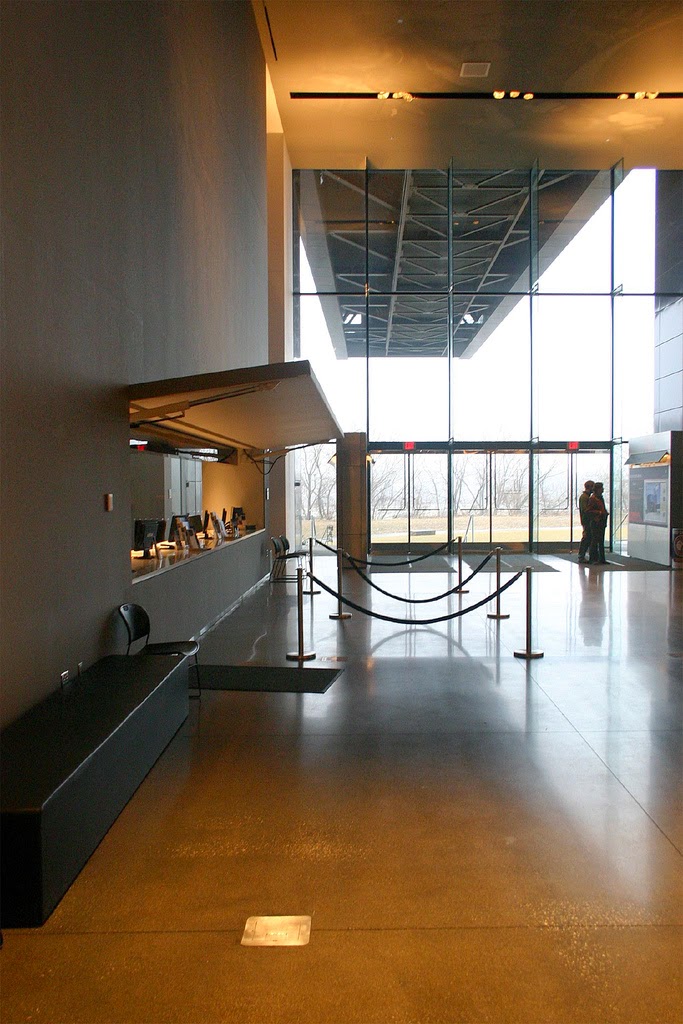
[Inside the Guthrie.]
“One good example is the IDS,” Yoos told me, “where the crystal court space for many years was kept intentionally empty. But they’ve changed it so that architecturally now it has benches and plants and a water feature. They’ve decided it benefits them to have it open to the public.”

“Another good example is the Guthrie,” Yoos continued. “Even though it isn’t ostensibly a skyway, the architect was interested in skyway ideas. It's intended to have space for people to sit whether or not they are going to a play. The whole central core is meant to be for the public and they encourage people to use the space.”

For her part, Fischer and her students, who did a class project on the Saint Paul skyway, thought that the skyway system should include more explicitly public activities and spaces.

“In the recommendations of our [final] report on the skyway, one of the recommendations we make is that skyways should be treated as public places,” Fischer told me. “They need to be places to ‘be in’ and not ‘move through.’ When the students did research on Canadian cities — Calgary, Toronto, and Montreal — from what they read about the concourses, those systems are treated more as places to ‘be in.’ They have fountains, artwork, shopping, and a lot of seating too. Just by marking a place with fountains, artwork, and seating, it’s marking a place as a place to ‘be in’ and not ‘move through.’”

“That was a recommendation,” Fischer told me. “There’s room for a lot of placemaking in the skyways. Our skyways aren’t very exciting for the most part the impressions they gave us was they’re beige or they’re grey with white walls. They are communicating that it’s a place to ;move through.’ It’s hard if I said that to a typical commuter. They’d go, ‘what else should they be?’ It’s hard if you’re in that place to reconceptualize that they might be something different.“

[Montreal's "underground" doesn't exactly seem like a public space utopia, but maybe the boundaries are more clear.]

Can Design Overcome the Private Property Bias?

To me, as nice as the Guthrie is, it’s no replacement for a sidewalk or a public park. But as I said in my Minnpost piece, we’re stuck with the skyways in both cities. So many of the post 1960 office buildings were explicitly designed with the skyways in mind, with interior courts and second-floor retail embedded right into the architecture. Those buildings will never be without skyways, and will be very difficult to “retrofit” to front the surface sidewalks. As long as we’re stuck with the skyways, Yoos’ and Fischer’s ideas seem like good ones.

Finally (and this could be the topic of a whole new conversation), there needs to be political leadership that forces property owners to respect the law and be more welcoming to the public. Technical regulations are useless if they're ignored. Hopefully, Mayor Coleman can take the lead on that in Saint Paul. He's gonna need help.


[The Rival House patio, the best attempt yet to retrofit a Saint Paul skyway-centric building to meet the street.]

http://tcsidewalks.blogspot.com/2013/05/donate-to-this-sidewalk-blogger.html

Twin City Bike Parking #14

[Mac-Groveland, Saint Paul.]


[Grand Avenue, Saint Paul.]


[Grand Avenue, Saint Paul.]


[Grand Avenue, Saint Paul.]


[Downtown, Saint Paul.]


[Cedar Avenue, Minneapolis.]


[Cedar Avenue, Minneapolis.]


[Grand Avenue, Saint Paul.]

Signs of the Times #92

Lickety Split
One Door Down

[Wall. Downtown, Minneapolis.]


DON'T EVEN THINK ABOUT
PARKING HERE UNLESS YOU
WANT TO PAY ABLE TOWING $100.00
ALL SPOTS RESERVED

[Wall. Lowertown, Saint Paul.]


PUB

[Dog dish. East Lake Street, Minneapolis.]


GRIPS ONLY

[and]

NO SMOKING
 AREA

[Train station metal thing and pavement. Somewhere along the Empire Builder.]

PUSH
BUTTON
WAIT
FOR
WALK
CHICAGO = ASS
SIGNAL

[and]

PUSH
BUTTON
WAIT
FOR
WALK
SIGNAL

[Pole. Location forgotten.]


BEANS
ON THE
BLVD

[Metal things. Saint Paul.]


PRIVATE ALLEY

[Wall. Lowertown, Saint Paul.]


MOLD CRAFT, INC.
PARKING ONLY

[Orange thing. Willernie.]

2014-09-03

Everything Should Be Like the U of MN Campus

It's back to school time at the University of Minnesota, which is always a bit exciting for me every year it happens. (For example, see this post: Campus is Like Urban Training Wheels.)

This year I am thinking about whether or not my goals for the Twin Cities are pipe dreams. For example, is it really possible to get 30% of people to ride bicycles? Is it reasonable  to traffic calm our city centers to the point where people can walk safely and comfortably? Can we really truly double our downtown populations? Can we really build dense (five- or six-story) infill development? Is it really possible for Minneapolis and Saint Paul to feel more like Copenhagen or Vancouver?

Sometimes I doubt it these things, especially if I wake up on the wrong side of the bed or read the latest news account of a milquetoast city hall decision. Where are the examples of real change? Can Minnesota ever provide us with a real alternative to driving everywhere? Is a walkable city even possible?

But then I look at the University of Minnesota campus, and it has everything you might want to see.

[Urban life shouldn't be just for people going to college.]


Si, Se Puede!

Granted, I'm not one to lavish praise on the University of Minnesota. There is along list of stupid urban design decisions that were "made" by whoever is in charge of the campus design.

(Protip: Nobody plans campus, which is why there are so many asinine things going on. When you pull back the curtain at the U, it looks kinda like this.)

But that said, the campus has everything you might want to see in our cities more generally. In general (disastrous bits aside), the experience of biking, walking, driving, and taking transit at the around the main campus of the University of Minnesota is what I would like to see in downtown Minneapolis and Saint Paul.

For example:
  • It should be a pain in the ass to park and drive in downtown Minneapolis and Saint Paul.
  • There should be five- and six-story buildings all over downtown Minneapolis and Saint Paul. 
  • You should have to drive really slowly in downtown Minneapolis and Saint Paul. (Like 15-20 mph slowly.)
  • More people should be walking than driving in downtown Minneapolis and Saint Paul
  • Biking and transit should be the best and fastest way to get around downtown Minneapolis and Saint Paul.
  • You should be able to live, work, and play all within walking distance in downtown Minneapolis and Saint Paul
  • The people watching should be amazing in downtown Minneapolis and Saint Paul.
  • There should be bus-only lanes and routes in downtown Minneapolis and Saint Paul.


While there are a great many things I'd change about the the University of Minnesota campus (protected cycletracks on University and/or 4th PLEASE!), the fact that it checks so many of the boxes of good urban design proves that a real city is possible in Minnesota. If you want to know what our city's future could be like, walk, bike, take the bus around, or live near the U of MN campus.

(Just don't drive, because it'll suck. As it should.)

[Imagine if everything was like campus. That'd be fun, no? (Except the suburbs. They can stay the same.)]


http://tcsidewalks.blogspot.com/2013/05/donate-to-this-sidewalk-blogger.html