Showing posts sorted by relevance for query denny hecker. Sort by date Show all posts

2009-06-29

The Rise and Fall of Denny "Hecker" Hecker


[Grandpa Hecker explaining easy financing to 19th century speculators.]

Alas, I had to listen to MPR's high-profile panhandling this morning. They devoted a prime-time Kerri Miller slot to a "debate" over the social worth of the super-rich. (The title, and I'm not making this up, was "How the Super-Rich serve society". Think: Tad Piper: Great Minnesotan or Greatest Minnesotan... Call now to donate to MPR's Legacy Fund!) When even our 'public' radio can't take class politics seriously, it made me think again about how far from the left this country really is. And it made me think again of Denny Hecker.

Almost a year ago, I vented some frustrations about a Denny Hecker ad that caught my eye. It was a big picture pasted on the side of city buses with Hecker's smiling mug that said "Nobody Walks". It wasn't much of a post, and though I still think it was a slanderous anti-pedestrian taunt, it certainly didn't amount to much.

[That one little post became my most widely-read by no small margin.]


What's interesting, though, is what's happened since then. For quite a long time, that post rose to become one of the top-10 hits for Google searches relating to Denny Hecker. And it has accounted for a huge percentage of this blog's traffic ever since Denny's suburban empire has fallen like a house of casino cards. The post has received over 8,000 hits, and dozens of vituperative comments. It's like a great anti-Hecker graffiti wall, a public shackles filled with rotten tomato condemnation. Judging by the comments that appeared on this blog, many from ex-Hecker employees, Denny was a singularly repulsive human being.


[An abandoned Hecker home sits in the middle of nowhere. Img. MPR.]

The rise and fall of Hecker reminds me about how central suburban greenfield development, home construction, and auto sales have become to the US economy. It's depressing to think that so much of the US GDP depends on the mindless-construction of planned obsolescence homes in empty farmland, and selling new homeowners the broken dream of remote country living. Hecker honed this to a fine art, attaching his name to a package of car loans, home loans, and easy financing. It turns out, it was all a sham. Now he's up to his neck in law suits, while the US auto companies, parts suppliers, mortgage brokers, investment banks, and construction firms go belly up one by one.

Suburban growth seems like a terribly wasteful way to operate a national economy. Much of the time, it means constructing brand new homes, shopping centers, schools, and sewers at the outskirts of town while simultaneously depopulating and tearing down homes, shopping centers, and schools in the middle of the city or in the first-ring suburbs. The network of real estate developers, banks, home construction firms, food corporations, big boxes, and auto dealers line US freeways in an endless loop of new construction and obsolescence, peddling giant homes and an endless stream of shiny products that nobody really needs... Is this really all we have to offer? Shouldn't there be another way to make money? Isn't new retail development just vulturing away the old retail development? Does economic growth have to come at the expense of our cities?

The depressing thing about Hecker is that I know that when and if the economy turns around, someone exactly like him will rise up to take his place.


[Denny Hecker thinks you're getting a good deal on that TrueCoat.]

2009-07-01

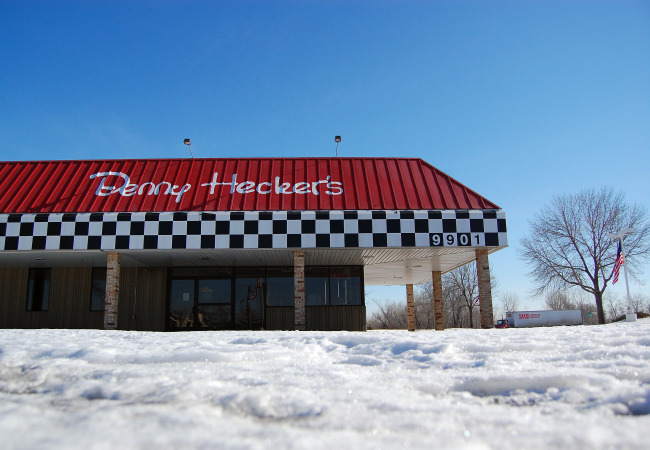
Denny Hecker's Abandoned Car Lots #1

Perhaps it seems unruly to take such pleasure in another's economic pain? Oh well.

Enjoy these photos of Denny Hecker's abandoned car lots, provided by my photographer friend Chris Thompson.

If you have photos of Denny Hecker's abandoned car lots, please send them to... blindeke@gmail.com

Thanks!


[A migratory goose pooping on one of Denny Hecker's abandoned car lots.]


[Star spangled banners yet waving above the empty pavement of one of Denny Hecker's abandoned car lots.]


[A glittering streamer advertising the empty spaces of one of Denny Hecker's abandoned car lots.]

2008-08-19

As if I didn't loathe Denny Hecker already...


[A city bus vandalized by Hecker's vision for America.]

I have seen this ad go by me on buses around town a few times before, but it's always been traveling too fast. I haven't been able to whip my digital camera out of its holster and snap damning evidence of the accursed thing.

But this time, the #16 was loping along University Avenue, and I saw my chance. Pursuing it on my bicycle, camera-in-pocket, I caught the elusive Denny Hecker face and got proof of his poisonous message.

Nobody Walks?

Is Denny Hecker living in a sci-fi movie?

[The new Denny Hecker action figure.]

2010-09-15

Tom Emmer is Completely Wrong about Sidewalk Poetry

[Tom Emmer leading the war against Sidewalks, Poetry, Beauty ... (… poor people, brown people, the sound of children's laughter, rainbows, &c.). Img. via TheAwl.]

Now, mostly this blog is about sidewalks and cities and planning and the art of moving and feelings of wonder at living and an extended ode to environments that help you surprise yourself and things like that. Mostly.

Every once in a while, not too often, I become publicly upset about the doings of our Republican Governor, Pothole Pawlenty. Not too often. Just every time an interstate bridge falls in the Mississippi, or health care for the absolute poorest people in the state gets axed, vetoing light rail projects, raising property taxes by cutting state aid for cities over and over and over again, or, well, you get the idea.

Well, somehow, the MN GOP decided to put forward the one man in the state that I actually dislike more than Governor BridgeFAIL: Grade-A fascist, Tom "Denny Hecker" Emmer.

When I worked as a Republican page over at the legislature, I watched him give speeches about trickle-down economics and how we needed more 'freedom' from government. I read about his support of castration for sex offenders*, and I watched him push again and again to tighten state voting requirements**, and basically I was viscerally, pit-of-the-stomach repulsed by Tom "Hecker" Emmer and his status as the #1 cheerleader for moving Minnesota away from a state of tolerance and acceptance and liberty and moving toward Minnesota as a state designed to serve only white property owners and run by and for people like Denny Hecker.

So, Emmer has a great great many detestable policy positions, and represents to me just about everything I loathe about American politics and culture. So, there's that.

[Another great example of government waste from the mind of Tom "Denny Hecker" Emmer.]

But, never did I think he'd actually go so far as to attack sidewalks themselves! Apparently, the other day, Emmer went out of his way to attack St Paul's innovative sidewalk poetry program:

"LGA should be applied to what it was intended for," he said. "It should pay for essential services defined as police and fire service and sewer and water infrastructure. That's should what it should be going for, not to etch poetry in sidewalks in St. Paul."


This statement is an affront in so many ways:

1)A personal affront: I'm on a personal crusade to make city sidewalks more and more interesting places for people, to think about how to improve cities and make them rewarding and diverse places for people to live.

To some extent, there's a politics to this. Old school white dude culture is based on the pickup truck, and all its ties. On the other hand, sidewalks represent the domain of the bicycle, of the elderly and the 'inner city' and those hippie kids with piercings, and basically everyone 'other'.

So, by attacking sidewalk art, Emmer is attempting to define and delineate a politics of transportation, to set out an 'us vs. them' situation between "those crazy hippie people" who use feet for some reason and live in cities and do nothing but waste your taxpayer money with their “poetry” and their “sidewalks” and their long hair and strange food vs. the kind of fence-building, suburb-dwelling, McMansion-lusting, big-ass-pickup-driving, gun-totin', kid-yellin'-at, Norman-Rockwell-dreaming, angry-at-the-world-for-stripping-him-of-his-50s-patriarchy A-hole "hockey dad" that drives everywhere and who lives a dozen miles from the nearest sidewalk and couldn't even name (let alone recite) a poem if his life depended on it kind of person.

2) An artistic affront: Poetry is the art of language. Poetry displays an intense commitment to metaphor and creation. Poetry is largely forgotten today, drowned in a sea of images. Poetry has few defenders. Poetry is the domain of artists and homosexuals and lefty liberals with fancy college degrees like Garrison Keillor and is the perfect target for a hick-trick bully like Emmer.

3)An affront to GOP principles: The irony here is that the sidewalk poetry program costs almost nothing, and is a textbook example of 'making government smarter', something that the GOP talks about absolutely non-stop as if every government program is populated by the cast from Idiocracy who sit around on their hands all day long and all we need to do is get some airport book business consultant to think really hard about the Department of Health and voilĂ  presto you've saved 6 Billion taxpayer dollars (as if corporate consultants ever did much more than fire a bunch of people, or "re-brand", and if you've ever worked for a corporation, you know what I'm talking about).

Well, luckily, I got to talk to the director of Public Art Saint Paul this summer. She told me all about the program in question, the non-profit's Artist-in-Residence program, and it's a truly great and heartwarming and wonderful story. If this is not an 'efficient government' wet dream, then I don't know what is:

[Begin interview transcript.]

Twin City Sidewalks: So tell me about the city artist position. The artist in residence position? Do you have an artist every year?

Christine Podas-Larson, director of Public Art Saint Paul: No. It’s not a fellowship. We fussed with the name of it a lot. When we began this program in 2005 our initial idea was that someone would be there for 18 months, but after the first experience … we started with two artists. We hired two, and the wonderful Stephen Woodward, he used up 18 months of time in less than a year because there was so much demand for his time.

TCS: What kind of stuff?

CP-L: We have had for a long time a very good relationship w/ the public works dept. there is an openness and an interest in what artists are thinking, maybe b/c of the engineering background, these people really like the way things work, and the way people work that through in their mind who knows? They’re not threatened by it. Sometimes planning departments are threatened by it, or landscape architects are threatened by it. But in public works there’s just always been this big open door that says, we’re game for what you wanted to talk to us about.

We started the program in 2005 and we got funding initially from, of all places, St. Paul building owners and managers. They gave us the startup funding about $60K for the first period of time, and then the McKnight foundation stepped up big time after the first year, then we have other grants as well to support it. But the idea was that the artist would either contract or work for Public Art Saint Paul. And would be chosen by a group of people representing both the arts community with the Public Works Director and the Parks Director on it as well, with the idea that the artist would be there as part of the way that the city thinks.

TCS: So how has this had an effect?

CP-L: Well, it depends on the artist. In the case of Marcus Young, who it would be pretty unusual most people acknowledged that for an artist who is a conceptual artists to be hired for a job like that… so he even said in his interview “I don’t make anything”… and [CP-L laughs.] bureaucratic people were like “What does that mean exactly”… but he described a project that he did in China, and it was performed again in California and New York, called ‘slow walking’ where he would go out into a very very very busy street and observe it for a couple of weeks in advance with the idea of, how are people behaving and how fast are they walking? And in Beijing he wound up with about a 7 minute walk. It started with people moving very fast, they covered this kind of ground in 7 minutes, they didn’t pay any attention to anyone else walking by, lots of people on their cell phones, not paying any attention, just a purposeful fast walk…

TCS: You’re kind of on autopilot in a lot of places.

CP-L: So then on Day One of what became a month-long performance, he would start out every single day and he has very distinctive appearance when he does this. He’s Chinese American, and he has on this (I call it his) judo suit, it looks kind of like what people wear in martial arts studios only a little softer than that (he’ll kill me for saying that), and then he has an umbrella over his head, and he walks. And that same 7 minute walk he takes half a day to do it. And he walks slowly and silently and smiling.

And you know the first few days people are astonished and it makes them... they think he’s weird. In both China and New York they tried to arrest him, but after a while people get used to it and he’s there day after day doing the same thing. Walking slowly silently smiling. And at the end of all of this, then he goes back and looks and times how people are walking. The whole population is walking more slowly. There’s less cell phone use.

And to present that project... Other artists interviewing for this job are showing their sculptures, and Marcus shows this. And you get the Public Works Director looking at this, and finally the Public Works Director said, …

All of us were going “Oh please please, can’t we hire him? We like him the best”...

And he said, the reason I’m saying OK is that he’s doing the same thing we’re trying to do. He’s trying to calm traffic. Only look at the money we’re spending to do it. We’re putting up stop signs and jersey barriers and flashing lights that say "this is your speed" and all this. This guy is just walking out the door silently every morning and he’s having the same effect. The bottom line is that we need this kind of creative thinking. We always tell our employees we want them to think outside the box in problem solving, but we will definitely up the ante by putting somebody like this in the middle of our city discussion. At the table of planning and decision-making.

So his charge is not necessarily to make anything. His charge is to be a part of the creative discussion of how the city is built and functions. And we did have at the beginning some money for him to develop a demonstration project. And that’s where the poetry thing came from.

So he was assigned at one point to have his cubicle in the sidewalk maintenance division. And he’s sitting there in the middle of the city’s annual sidewalk replacement and you know, he pops his head over the top, “What do you do?”, and they describe it and they all went walking with him so he could see. And every year this is one of the biggest contracts that the city lets, because you know we have how many thousands of miles of sidewalk in the city, we replace ten miles of sidewalk every single year.

And the cost is anywhere from a half a million to $900K, depending on the extent of the program and the bids, so it’s a big deal. As he was walking along he saw… he’s always had this idea of what he calls, "the city as a book". That was his artistic idea and he wasn’t always sure how that would play out here. And all of a sudden he sees stamped in the corner of the sidewalk panel a little logo. You know, sometimes it’s a number, or the name of the contractor so they can tell what it is. He thought, well they’ve got the technology to do this. They know how to stamp stuff. What if the words that we’re stamping isn’t ‘Knutson Construction’, what if it’s a poem?

And so he proposed that and everybody figured that would be worth a try and got on board with it, and now we’ve just finished the third year of the contest. And there are 200 and some stampings of poems out there. And we have big stamps, they’re almost as big as that bookshelf, and they’re lightweight.

TCS: What are they made out of?

CP-L: Well there’s the wood framework, and then plastic kind of fiberglass kind of stuff, and it’s just like an old fashioned printing press, but it carries a poem on it. And our crew goes hand in hand with the contractor, whoever gets the bid for this, and written into the RFP for the city is, you know, you have to work with these people and at least 100 times during the process you have to take one of these stamps from the people at Public Arts Saint Paul and stamp it in the sidewalk.

So our crew goes along and picks out the stamp and hands it over to the contractor, because we don’t want to mess up the warranty and that kind of stuff, and on we go. So they have to give a cost for that every year in their bid, and this year its $10. [CP-L gets excited.] Ten bucks a stamping! Oh my god, this is great!

TCS: That’s about the best deal you can find in any government anywhere in the world probably.

CP-L: And this can go on forever. Think about this. If we’re doing 100 of these every year, in 10 years, 20 years, the costs of this really… There was some start-up cost, but I think by Year Four our costs are going to be the 10 to 20 bucks each year that we do. … The 20 original poems that we used, we added 5 more last year and 5 more this year, so we have 30 stamps.

And it’s being written about all over the world. Part of our problem now is we’re getting calls and people are asking, how did you do it. [CP-L laughs.] This is not rocket science, you guys. You hold the contest pick the poems, get someone to make the stamps, and there you go.

[End interview.]
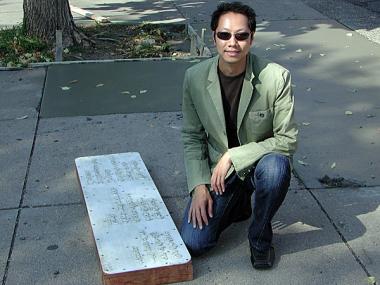

[St Paul Artist-in-Residence Marcus Young with his innovate sidewalk poetry.]

* Yeah, because snipping it down there will really stop them from turning into sociopath creeps!

** Which is basically an old school, repression-of-democracy poll tax, stripping rights from people like my step-grandmother who has lived in this state for 85 years and doesn't have a birth certificate, or anyone who might be older or might be poorer and thus might not have a solid paper trail, or anyone who because of moving a lot switching apartments for whatever reason moves so that their address doesn't match their license, and is in truth a blatant attempt to intimidate and repress the (highly Democratic) vote of people who might not have the security and means of someone like Tom "Hecker" Emmer.

2009-08-07

*** Sidewalk Weekend *** #32

Sidewalk Rating: Pacific Northwest

It's like Seattle out there, folks. I'm sure you own an umbrella. Now's the time to take it out.
And, if its going to get hot out tomorrow, you can trade it in for a parasol.

<<<>>>

I'd like to see more of this kinds of 'foots-on' approach to sidewalk advocacy...


<<<>>>


As if I didn't loathe Denny Hecker already, now I get to read about his trial for "reckless driving."

On Dec. 3, Hecker crashed his SUV into a pole near his home in Plymouth. He spent several days in the hospital recovering from his injuries.

We later found out this man's bloodstream was a mobile pharmacy. A state lab reporter a plethora of prescription drugs in his system including three painkillers, a stimulant, an anti-anxiety medication and sleeping pills.


I'm sorry Hecker apologists, but this guy personifies everything that's wrong with America today. Watching him go down in flames is the very personification of schadenfreude.


<<<>>>


National Night Out is an awesome idea, but I'm not sure why all the news reports about it always emphasize crime. It's as if these people are desperate, starving pioneers clinging to each
other for protection in the big, harsh nasty world of the the city, surrounded by thugs, arming themselves like against a mob of bad guys like its the Alamo.

Rather, NNO should be a simple chance to meet your neighbors. This report by the TC Daily Planet got it right, by emphasizing the simple fact that people who live near each other are meeting each other and saying hello. There's no need to turn that experience into a horror movie.


<<<>>>


Very similar to the burgeoning TC Open Streets movement, play street sounds like a great idea, too. (You know, for kids!) It's like the block party suggestion I happened across a little while ago. Can't we make places where you actually interact with people who live around you...


[Kids playing in the street is a sign of a good neighborhood.]


<<<>>>


This is an angle I never thought of before: the idea that the increasing concentration of industry and fincance in 'global cities' and in the Global South (e.g. China), means that many of the second-tier cities end up dominated by 'pro-growth' business interests. So that really the only people left with memberships at the Minneapolis Club are people who make their living building suburban developments, and that local city 'growth machines' end up being intractable interests lobbying for ever-expanding sprawl.

Just a thought...


<<<>>>


I don't know about you, but red light cameras always seemed like a good idea to me. It's awfully hard to take the side of the dude running the red light. That's a hard position to defend, even if you're taking some sort of constitutional stand.*

It reminds me of this post by Cam Gordon, about how cities need to start taking advantage of all their revenue streams if they're going to get increasingly budgetarily reamed by the state.


* (And on that note, why wouldn't the same sort of rights issue apply to the automatic ticketing of people using the MN Pass lanes illegally?)


<<<>>>


A nice op-ed about the twilight of the automobile era (from Canada). I can't really believe that this is happening anytime soon, though, particularly with the CARS bill proving so popular.


<<<>>>


A nice thought about how much more pleasant transit can be than driving in your single-passenger vehicle.


[A dude using a laptop at a bus stop. Img. fm. Roadguy.]

It's hard to use a laptop while your driving. (Though many people do this regularly.)


<<<>>>


Three photos for you:

1) Cedar Avenue Hockney collage. Img. fm WBSC.


2) The Stone Arch Bridge in 1886. Img. via. WeLikeItHere.


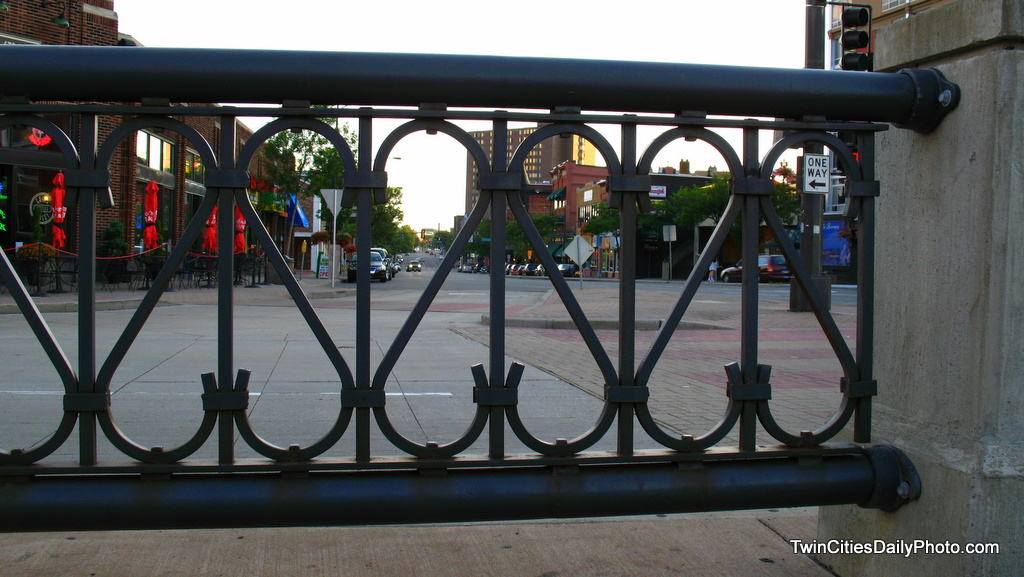
3) A nice CU of the 7th Street sidewalk in St. Paul. Img. fm. TCDailyPhoto.

2011-04-01

Announcing a New Concept for the Blog

[Denny is thinking: "Boy I wish they didn't have to do those body cavity searches."]


I have an announcement to make. I wanted all of you to be the first to know.

I was happening by the courthouse the other day to laugh at Denny Hecker when I bumped into his half-brother, Lenny Hecker, who has taken over the family business of "leasing" cars and "selling" home mortgages to folks and making sure that "nobody walks" in the Twin Cities, and I don't know what came over me, whether it was Lenny's million dollar smile or a feeling of spring in the air or what, but I fell for it.

I signed on the dotted line and bought myself a package deal -- a brand new 2011 Nissan Armada Platinum & sweet 300,000 square foot house out in Apple Valley!

[This thing is sweet. You don't even notice when there's a headwind! Plus you can park it on top of your urban condo.]

I just couldn't resist. I want to be "livin' large." It didn't take much. All I had to do was walk into the 50 foot "lawyer foyer" and step out onto on that wall-to-wall carpeting, and presto! I was a new man.

[My new pad!]

The Armada is pretty nice too. I can fit all five of my bicycles in it at the same time, so that now I don't even have to choose which one I'm going to "ride" any given day around the Target parking lot out by Happy Trails Highway.

Also, there's a TGIF right nearby, only about a 2 mile drive in Burnsville. I joined their "Give me more stripes" membership benefit program, and not only can you "jump" to the front of the line to get into the restaurant, but a FREE appetizer... (one time only :( ... ).

Anyway, so, I'm lovin' my new lifestyle, but it turns out there aren't any sidewalks out here. So I'm gonna have to change the title of the blog.

Announcing: the new name for the blog is...

Twin City Interstate On-Ramps.

And to kick off, our first On-Ramp of the week is the really lovely 2 lane Northbound onramp at 35E and Country Road 11.

Each time I drive the Armada up this ramp, I get a nice 2 second view of a patch of trees off in the drainage ditch, and sometimes I think of home, growing up in the Oak Savannah forests of South-East Minnesota, the rolling hills, and springtime when the trillium bloom for just a week in the brown woods coming to life after a long winter.

Then I drive onto the freeway.

[The onramp of the week.]

2009-09-04

*** Sidewalk (Long) Weekend *** #33

Sidewalk Rating: Still Summertime

It's still summer, dammit. You had better make the most of the sidewalks this weekend, or I'll never speak to you again.


<<<>>>


Here's an example of what we can look forward to...


... if we're lucky!


<<<>>>


Carlos Slim, in addition to having an awesome name and being the world's richest man, is a bona fide urbanist!


"More recently, Mexico's richest businessman, Carlos Slim, established a private initiative known as the Fundacion del Centro Historico into which he initially invested $300-million and developed a long term regeneration plan for the city centre. The Fundacion initially bought 70 historic buildings and set about a major refurbishment programme to turn them generally into middle to high income residential.

"Then he brought the city government into the act in upgrading the infrastructure - pavements, beautiful period lampposts, et cetera, as well as providing a new Centro police force complete with CCTV system and relocating all the informal traders - they are now banned from El Centro!

"The result is a highly walkable public environment among some truly beautifully restored historic buildings. The refurbed residential has in turn attracted new restaurants and high quality retail."

<<<>>>


This NYT story confirms what I saw when I went to Florida last summer: lots of half-built and empty condo towers. Apparently, people have stopped believing in paradise.


<<<>>>


Awesome signs that don't tell you very much, archived on a website. Have you met my friend, Les Ismore?

[One example of geometric signage.]


<<<>>>


One of the reasons Cambridge, Mass. is so nice is that they get rid of signs like this. It's a trend, man.


<<<>>>


I went through a Mad Men phase, and am happy to see that they're covering the destruction of Penn Station as a mini-narrative this season.

Jane Jacobs was right!


[Jane Jacobs tilting at windmills.]


<<<>>>


I hope Madison, Wisc. can make the right decision about their train station. It's a battle of common sense v. bureaucratic expediency. Knowing Wisconsin, neither of these will win out in the end.


<<<>>>


Speaking of Wisconsin...


As a cyclist, I absolutely hate watching that.


<<<>>>


Beware the primrose path of dalliance, lest ye find yourself wearing Denny Hecker's auctioned shoes!

(I think you're best avoiding any company who advertises during Twins games.)


<<<>>>


As if I didn't feel bad for Duluth already, now their sidewalks are crumbling beneath their feet.

Sous le pavés, le plage!

(And again.)


<<<>>>


Three photos for you!


1) Abandoned cityscape & prairie restoration. (Fm. James D. Griffioen)
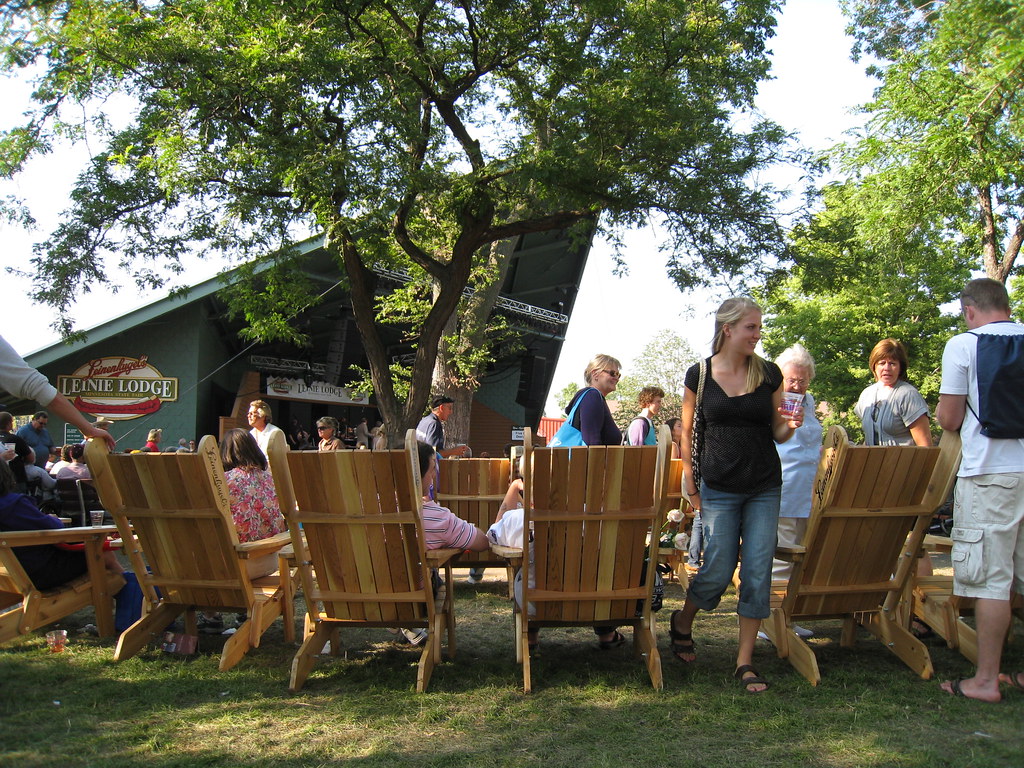
2) State fair bandshell. (Img. fm. Minnpics.)


3) A nice look at the Walker sidewalk. (Img. fm. Robert.)

2013-07-15

Six Things Rapidly Becoming Obsolete

Lost in the automobile buzz over robo-cars is the debate over Tesla Motors' attempts to sell cars over the internet. To me, Tesla, which makes high-end electric sports cars, is a harbinger of the electric, elite future of driving. But Perhaps their most interesting angle is that Tesla has found a way to bypass the auto-dealer system, selling their cars directly to customers over the internet.

Here's a good description of the situation from North Carolina:
Dealers say laws passed over the decades to prevent car makers from selling directly to consumers are justified because without them auto makers could use their economic clout to sell vehicles for less than their independent franchisees. Dealers say Tesla's direct sales violate those laws. These franchise laws have insulated car dealers from much of the e-commerce revolution that has hammered other sectors from books to electronics. 

Trying to bypass the car dealership system is maybe the most interesting thing that Tesla is doing! Ever since Denny Hecker was rode out of this town on a rail, all his old car dealerships left to rot in the harsh suburban sunshine, ever since University Avenue's row of mid-century car dealerships went belly up, to be replaced by actual people living and doing things, I've dreamt of cities unringed by huge car dealerships. Clinging to state regulations will only work for so long. Eventually, we'll start selling cars online, it will catch on because people love saving thousands of dollars, and all those large parking lots festooned with American flags occupied by begrimed salesmen addicted to truecoat will begin to fade away.

Picture a world without car dealerships, where people have cars shipped directly to their homes. I'd give car dealerships another 20 years, maybe, but in the 21st century city, huge acres of patriotic parking lots might be as popular as an orthodontist at a Jr. High dance.


What Else Is Becoming Obsolete?

It got me thinking about what else might be becoming obsolete. In a world of high energy prices, constant communications technology, and low wages, what else might go the way of the elevator operator and the TV repairman? Here's a short list, with the ETA on obsolescence:


Taxis: The 'smart taxi' trend is growing faster that I would have thought. Smart phones are threatening to replace taxis with part-time drivers and fairly sophisticated software that can rate different customers and drivers. I've always thought that taxis are too expensive. One or two cities will go 'all in' with the smart cab system, and they'll have very cheap rates. While they'll never likely disappear, the top-down taxi system as we know it is bound for the scrapyard.

Time horizon: 10 years

[Air travel already peaked.]

Airports: Expensive oil means that flying will keep getting more expensive. It's already plateaued, forcing airlines to consolidate and brainstorm diabolical new ways to treat people like chattel. Cities continue to expand their airports, hoping to attract carriers increasingly likely to cut their losses and abandon great swaths of the country to fly-by-night operations. Because its so damn fast, air travel will always be around. But, particularly once the feds stop subsidizing small and mid-size airports, you'll happily take the bus for eight hours to save $1000 on a flight to the coast. All but the largest airports will become obsolete.

Time horizon: 20 years


[Bemidji's poorly placed convention center.]
Convention centers: Convention business is already peaking. As cities all around the country use obscene amounts of money to try and lure the smaller pie convention, lots of places are going to lose out and get stuck with giant architecturally dubious albatrosses in their downtowns and along their lake fronts. Throw in expensive air travel, thin profit margins, and flat wages, and convention centers might soon be as popular as a mime at a blindness convention.

Time horizon: 15 years


Football stadiums: One reason that football's concussion problem is interesting is that it nicely illustrates risk thresholds: the more elaborate the safety equipment, the more risky and extreme the play becomes. Thus, paradoxically, football was safer before they had real helmets.  Today, there have been many predictions of football's demise, as parents begin refusing to let their children play the sport due to inevitable brain damage. Maybe pro football won't disappear, but it might shrink to UFC-level relevance, making giant stadiums obsolete.

Time horizon: 30 years  


[Sandy seems an inappropriate name.]
Beach Homes: You can all see this coming. Climate change + hurricanes = problems securing flood insurance. No more Jersey Shore. One or two more storms, and at some point, beach homes will be only for the extremely wealthy. It's only a matter of time.

Time horizon: 20 years


Ski resorts: Ditto. Climate change sucks. Hard to see this economy continuing, except at the very high end (which it already pretty much is anyway).

Time horizon: 25 years  

2010-01-11

Exurban sprawl speculation crashing local banks


[A depressing 186-acre parcel of land in Ramsey was once a planned site for 600 houses. Img. Glen Stubbe, Strib]

This Strib article is why you should always glance at the Business section before you line your birdcage. It's an article on the commercial real estate bubble, and how highly vulnerable smaller, local banks are to the impending foreclosure and over-building of speculative commercial property.

I remember reading about this a while ago, when my small, local bank was listed as being overly leveraged with bad mortgage debt. Well, the commercial real estate bubble ends up hitting these smaller banks far more than larger ones, whih turns exurban farm fields and second-ring stripmalls into our own miniature Dubai. Here are the important quotes from the piece:

From unfinished housing projects in the far northern suburbs to emptying office parks in Edina, developers are walking away from their debts -- forcing banks to take large write-downs. Last week, for instance, a commercial broker began marketing 186 acres of raw land in Ramsey, intended for 600 houses, that was taken over by a Wisconsin bank. And later this month, a 200,000-square-foot portion of the Twin Cities' first suburban office park -- Pentagon Park in Edina -- will be sold at a foreclosure auction after its owners defaulted this summer on an $18.5 million mortgage.

[...]

Yet, bankers say they have been hit particularly hard by rising vacancy rates in strip centers. The retail vacancy rate for the metro area hit 10.1 percent last year -- the highest level since NorthMarq, a commercial real estate company based in Bloomington, began tracking the data more than a decade ago.

This has two noticeable effects. The first is that is shows how the financial speculation and banking fiasco are tied to sprawl and speculation. Almost our 21st century economic growth was based on real estate speculation, and this influx of made-up cash gave lots of construction workers jobs, lots of people houses they couldn't afford, and (for a short time) high profits for banks and financial companies. Well, the end of this ponzi scheme means that a lot of parcels of land, and a lot of retail and commercial properties aren't worth much anymore.

It also reminds me of how overbuilt the US retail sector is, in general. In her book Big Box Swindle, ISLR author Stacy Mitchell describes how we have way more retail real estate than we would ever possibly need. Our cities and suburbs are way past saturated with big box stores, malls, and everything else under the sun. And for a long time, due to a lucratice regulatory climate (tax breaks for depreciation, up-front tax money from cities), these have been rock solid investments.

Well, things may be changing now, and the suburban landscape may soon look a lot like the North Minneapolis housing situation. Abandoned stores, abandoned malls, abandoned Denny Hecker dealerships. If you're an urban planner, what do you do with an empty Circuit City store?


[A foreclosed office building in Pentagon Park, Edina. Img. TCBusinessJournal.]

Bonus:

A recent quote from Kunster's latest screed talking about the immanent downfall of over-leveraged local banks:

It reminds me They may go down anyway, because the catastrophe of commercial real estate is following right on the heels of the fiasco in residential real estate. The vast oversupply of malls, strip malls, office parks, and other furnishings of the expiring "consumer" economy is about to become the biggest liability that any economy in world history has ever seen. Who will even want to buy these absurd properties cheaply, when they will never find any retail tenants for the badly-built structures, nor be able to keep up with the maintenance (think: leaking flat roofs), or retrofit them for anything? In a really sane world, a lot of these buildings would go straight to demolition-and-salvage -- except that it costs money to do that, and who exactly right now will make a market for used cinder blocks and aluminum window sashes? I expect these places to become squats for the desperate homeless.

2008-07-18

<<< Friday Friday >>> #18

In a very exciting move, I'm changing the title of the "news flash" to the"Friday Friday", mostly because I've become involved with a new project in the Twin Cities Sidewalk world. (Do you have a better name idea?)

I'm going to start blogging regularly over at a new website, Twin Cities Streets for People, where a team of Minnesota urbanists are going to try to keep tabs on what's going on in the local urbanism scene.

The site is meant to be a community clearinghouse for news and information about street-friendly activities and activism throughout the metro area. We're hoping to cover not just stories that his the press, but events and politics at the ground level. Some ideas I have for the site include:

  • Having people take photos of street festivals, street problems, or noteworthy initiatives happening around town and post them online.
  • Keeping tabs on key votes or planning decisions in the city and regional governments
  • Linking the local street movement to broader efforts throughout the country

Let me know if you want to help out with the TC Streets for People effort. It's a tall order, and we could use all the help we can get! Drop me an email if you're interested in contributing.


<<<>>>


This clip of an "urban terrorist" TV show freaked me out when I saw it a few years ago...


... it really connects the dots between big cities and terrorism. The only solution? A backyard bunker!


<<<>>>


I don't know why, but I've been paying a lot of attention lately to the Peak Oil crowd. I think it's because of the high prices for energy these days, and all of the intense discussions about the economic unrest that this pressure has generated with my friends across the country during my recent train trip.

Everywhere you turn, people are really squirming about how the oil price has kept going up. And if you listen to any of the pretty convincing analysis from the peak oil community, the last few years is just the tip of the iceberg.

Then I started reading James Howard Kunster's really pessimistic book, The Long Emergency, and now I can hardly stand driving a car.

The thing that Kunstler does nicely is to connect the dots between energy use and the U.S. economy... According to his book, only one third of the incredibly high US energy usage (25% of the world's oil) comes from electricity. The rest flows from hydrocarbons -- oil and natural gas. Almost all of our transportation, construction, and home heating is powered by oil, and that amounts to a huge percentage of our economic activity. The housing or argricultural industries, for example, are extremely oil dependent. He argues that replacing that amount of oil will be very, very difficult even with the best of alternative energies.

But that said, I've long been aware that the peak oil idea had a kind of cult following. I think in some ways, it has become something of an 'end times' religion for hippies, akin to the most evangelical of Christianities. And for that reason as much as the fact that it's hard to envision technological meltdown, it's been very hard to buy wholesale into the idea that the global economy is going to hell in a handbasket. (Even if it is.)


<<<>>>


So, I was willing to dismiss some of the hyperbole... but then I watched Al Gore's great speech today, and it seems that he agrees with me.


My favorite bit from the talk is (about 6:45 seconds in) when he says that "our dangerous reliance on carbon based fuels lies at the core of all three of our nation's challenges... the economic, environmental, and national security crises".

He then does this little "pulling on a string" hand gesture where he says that if we pull on that "oil dependence" thread, all of our interlinked problems will start to unravel.

[Tug... tug at my heartstrings, Al Gore!]

Gore really shied away from discussing the real meat of the matter, though. In order to make our nation work on electricity, conservation has to be a big part of the equation. We need to dramatically cut the amount of energy we use in our daily lives, particularly in transportation sector which (I have heard) accounts for almost 70% of our oil use.

And that's going to mean a lot more walking on sidewalks.


<<<>>>


Some national headlines:


<<<>>>


This is a terrific local blog that really makes it clear how difficult it can be to get by without a car in the Twin Cities: Car Free Family Minneapolis

Here's a good snippet:

Head Cold. Rushing on the bus to get the Big One to an audition. He didn’t get the job. He is a talented actor, yet he has no skills in auditioning. But still, I picked my snot-filled head off the pillow, got dressed and hopped the #4 to downtown. As I’m getting off the bus I see the face of Denny Hecker, greasy car-salesman extraordinaire. The bus sign actually said, “Nobody Walks.” Where the heck does he live? What planet?


<<<>>>


A nice correction to some of the misinformation about urban densities in the US.

You often find people saying that cities like L.A. are just as dense as cities like New York (paging Bob Brueggmann). This guy offers one alternative methodology that gives the common sense answer.

It always amazes me how far statistics can be bent...


<<<>>>


Three photos for you...


[An amazing freeway photo -- fm. Fffound]


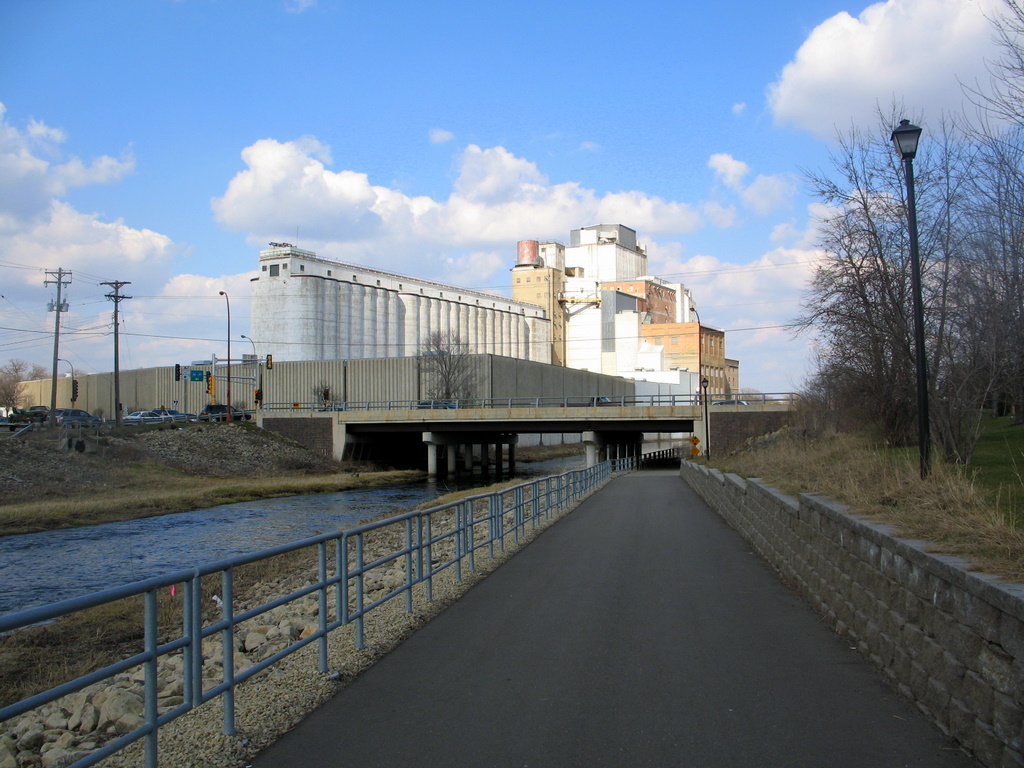
[A walking path in Hastings -- fm. TC Daily Photo]


[An awesome lamppost photo -- fm. Uptown Mpls Blog]